BreathiZen Review: What's in the Oral Spray, and What the Research Says
BreathiZen is sold online to older adults who live with shortness of breath. We set the sales video aside and compared its named ingredients with what independent sources say about lung health.
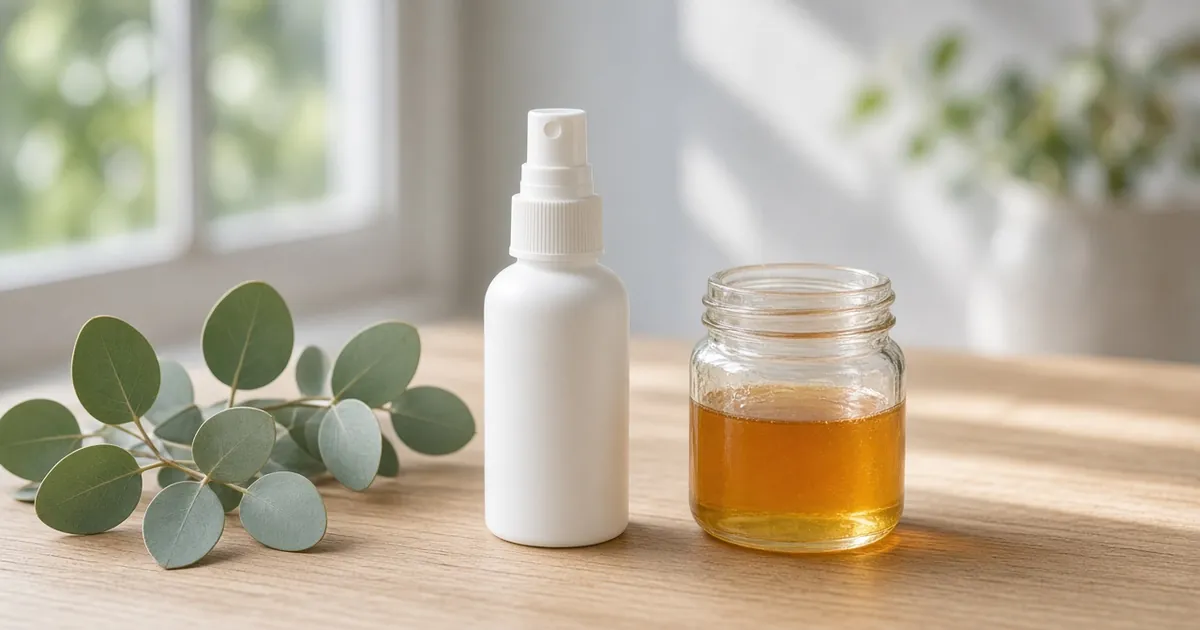
BreathiZen reaches most buyers through a long online video built around a dramatic recovery story and a "Vicks trick" for the lungs. The video suggests the spray can clear a "sludge" from the lungs and restore easy breathing. Here we take a calmer approach: what the product is said to contain, and what independent research actually shows.
How we wrote this review: we have not tested BreathiZen ourselves and did not receive free product. This review is based on the product's sales presentation and the independent health sources linked throughout. We deliberately do not repeat testimonials, celebrity or TV references, or the specific results promised in the video.
What BreathiZen is
BreathiZen is a dietary supplement in the form of an oral spray. The sales presentation names eucalyptol (the main aromatic compound in eucalyptus oil), methylglyoxal (a compound found in some raw honeys, especially manuka), bromelain (an enzyme from pineapple), quercetin (a plant pigment) and CoQ10. The suggested use is four sprays in the mouth each morning.
We could not find a published Supplement Facts panel listing the dose of each ingredient. Before you pay, read the label shown on the seller's page and make sure you know what you are spraying.
The ingredients and the evidence
Eucalyptol
Eucalyptol, also called 1,8-cineole, gives eucalyptus and mentholated rubs their familiar smell. It has been studied abroad as an enteric-coated prescription capsule taken by mouth in some chronic lung conditions, with some small trials reporting fewer flare-ups. That is a different product, dose and route from a supplement spray. We found no studies showing that an oral eucalyptol spray improves lung function. Swallowing concentrated eucalyptus oil can be toxic, so never make a home version.
Bottom line on eucalyptol: interesting early research on a prescription form; no evidence for this spray.
Honey methylglyoxal
Honey can soothe a cough, which is why it is a common home remedy. Methylglyoxal is responsible for some of manuka honey's antibacterial activity in the lab. We found no evidence that it dissolves mucus or "sludge" in the lungs.
Bottom line on honey: a pleasant throat soother, not a lung treatment.
Bromelain
The NCCIH says there is not enough high-quality research to say whether oral bromelain helps sinusitis, and it seems to be well tolerated, with stomach upset and diarrhea the most common side effects. It may interact with some medicines, so ask your doctor first.
Bottom line on bromelain: unproven for breathing problems.
Quercetin and CoQ10
Quercetin is an antioxidant found in onions, apples and tea, and has mostly been studied in the lab. The NCCIH notes that no serious side effects of CoQ10 have been reported but that it may interact with warfarin and insulin, and research on it for most conditions is limited.
Bottom line on quercetin and CoQ10: generally well tolerated, unproven for lungs.
Claims we could not verify
The presentation makes several claims we could not confirm, including that the spray clears toxic sludge from the air sacs, restores a lung protein, reverses COPD or emphysema, or lets people stop inhalers or oxygen. Dietary supplements are not allowed to claim they treat or cure disease, and the Federal Trade Commission expects health claims to be backed by competent and reliable scientific evidence. We found no published trials of BreathiZen.
Who might consider it
- Adults whose breathing has already been evaluated and treated by a doctor, who understand the evidence is weak, and who want to try a non-prescription product alongside their usual care.
- Buyers who are comfortable with the price and have read the refund terms.
Who should skip it or ask a doctor first
- Anyone with new, worsening or unexplained shortness of breath. This needs medical care, and sudden breathlessness or chest pain needs emergency care.
- People with asthma, because strong aromatic compounds can trigger symptoms in some people.
- Anyone allergic to honey, bee products, pineapple or eucalyptus.
- People taking blood thinners, insulin or several other prescriptions, because of possible interactions.
How it is sold
BreathiZen is sold through the seller's own presentation page in kits of 2, 3 or 6 bottles with a one-time payment. We do not list fixed prices because the seller sets and changes them, so confirm the total, shipping and refund terms on the seller's page before you pay.
What helps breathing, with real evidence
The steps with the strongest support are not secret. If you smoke, quitting is the most important thing you can do, and the CDC offers free help. Pulmonary rehabilitation, a supervised program of exercise and education, improves breathlessness and quality of life for many people with chronic lung disease. The American Lung Association explains how inhalers, vaccines, oxygen and rehab work together, and its guide to breathing exercises shows techniques such as pursed-lip breathing. Our guide to lung health after 50 brings these together.
Our verdict
Frequently asked questions
Can BreathiZen treat COPD?
No supplement can cure COPD. The NHLBI notes that lung damage from COPD cannot be reversed, though treatment can ease symptoms. We found no published evidence that BreathiZen improves lung function.
What are the ingredients in BreathiZen?
The sales presentation names eucalyptol, methylglyoxal from raw honey, bromelain, quercetin and CoQ10 in an oral spray. We could not find a full label with doses, so check it on the seller's page.
Can I use BreathiZen with my inhaler?
Ask your doctor first, and never stop or reduce your inhaler or oxygen to try a supplement.
Is BreathiZen safe?
The named ingredients are generally well tolerated in food amounts, but concentrated eucalyptus can irritate airways, and bromelain and CoQ10 can interact with some medicines. Talk with your doctor or pharmacist before trying it.
Sources
- COPD National Heart, Lung, and Blood Institute (NIH)
- COPD Treatment Options Explained (Medications, Oxygen, Rehab) American Lung Association
- Pulmonary Rehabilitation National Heart, Lung, and Blood Institute (NIH)
- Breathing Exercises American Lung Association
- Bromelain: Usefulness and Safety National Center for Complementary and Integrative Health (NIH)
- Coenzyme Q10 National Center for Complementary and Integrative Health (NIH)
- How to Quit Smoking Centers for Disease Control and Prevention (Tips From Former Smokers)
- Using Dietary Supplements Wisely National Center for Complementary and Integrative Health (NIH)
- Dietary Supplements U.S. Food and Drug Administration
- Dietary Supplements: What You Need to Know NIH Office of Dietary Supplements
- Health Products Compliance Guidance Federal Trade Commission