Belly Fat After 50: Why It Matters for Men and How to Lose It
A growing waistline is more than a wardrobe problem. Fat deep in the belly is linked with heart disease and diabetes. Here is why it builds up after 50 and the realistic habits that help shrink it.
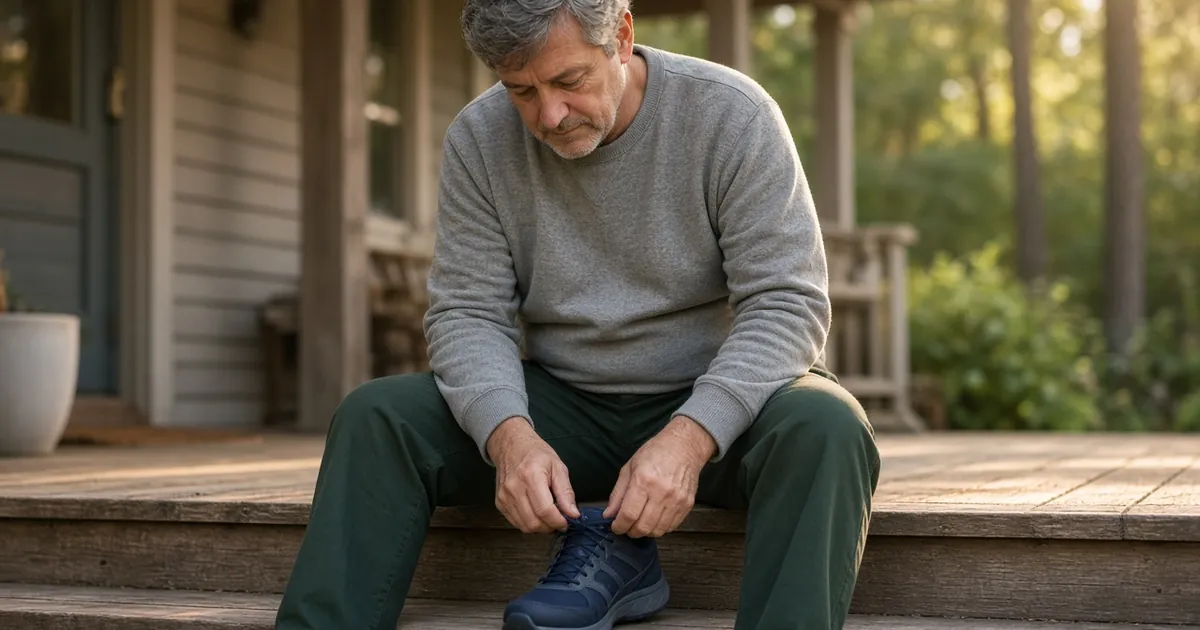
Plenty of men notice it in their 50s: the same weight on the scale, or a few extra pounds, but trousers that no longer close and a belly that seems to have a mind of its own. Belt notches are not just a vanity issue. Where you carry fat matters for your health.
Two kinds of belly fat
Harvard Health explains that there are two main types of belly fat:
- Subcutaneous fat sits just under the skin. It is the fat you can pinch.
- Visceral fat lies deeper, around the liver, intestines and other organs.
Visceral fat is more metabolically active. It releases substances that can promote inflammation and raise insulin resistance, blood pressure and unhealthy cholesterol levels. Men tend to store more of their fat around the belly than women do, which is one reason waist size matters so much for men's health.
Why belly fat increases after 50
Muscle loss
From middle age, men gradually lose muscle unless they actively maintain it. Muscle burns more calories at rest than fat, so less muscle can mean slower weight gain over time.
Metabolism: less change than you think
It is often said that metabolism crashes in midlife. A large study published in Science found that, after adjusting for body size and composition, daily energy expenditure stays fairly stable from about age 20 to 60 and declines slowly after that. Mayo Clinic also notes that weight gain with age is often driven more by reduced activity and muscle loss than by metabolism itself.
Less activity
Many men become less active as careers, injuries and family demands take over. A desk job and evenings on the sofa add up.
Hormone changes
Testosterone declines gradually with age, and lower testosterone is associated with more belly fat. The relationship runs both ways: more belly fat can lower testosterone. See our guide to testosterone after 50.
Alcohol
Beer and other drinks add calories and can encourage overeating. The CDC notes that alcohol has calories that add up quickly.
Sleep and stress
Short sleep and chronic stress raise appetite hormones and cravings and make it harder to lose fat.
How to measure your waist
A tape measure tells you more than the scale:
- Stand up straight and breathe out normally.
- Wrap a tape measure around your bare belly, just above your hip bones (usually around the level of your belly button).
- Keep the tape snug but not tight, and parallel to the floor.
For most men, a waist of more than 40 inches (102 cm) is linked with higher risk of heart disease and type 2 diabetes. Some groups, including many Asian men, face higher risk at smaller waist sizes.
Why it matters
Visceral fat is closely linked with insulin resistance. The NIDDK lists a large waist as a risk factor for insulin resistance and prediabetes. It is also linked with high blood pressure, high triglycerides, fatty liver disease, sleep apnea and some cancers.
The good news: visceral fat often responds well to lifestyle changes, and losing even a modest amount of weight can improve blood sugar, blood pressure and cholesterol.
What works
Forget spot reduction
Sit-ups and crunches strengthen abdominal muscles, but they do not burn the fat on top. Fat loss happens across the whole body when you take in less energy than you use.
Eat for steady, sustainable fat loss
- Aim for a modest calorie deficit. Losing about 1 pound a week is a realistic target for many men.
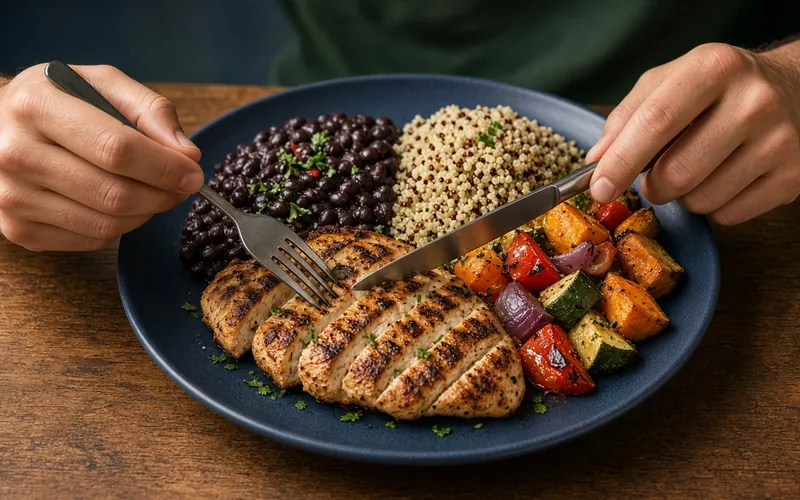
- Prioritize protein at each meal. Protein is filling and helps preserve muscle during weight loss. The Harvard T.H. Chan School of Public Health recommends healthy protein sources such as fish, poultry, beans, nuts and dairy. See our guide to protein needs after 50.
- Fill up on vegetables and fiber. They add volume with few calories.
- Cut sugary drinks and refined carbs. Soda, juice, white bread and pastries are easy calories that do not fill you up.
- Watch portion sizes, especially at dinner and when eating out.
- Limit ultra-processed snacks, which are easy to overeat.
Lift weights
Strength training helps you keep or build muscle while losing fat. Mayo Clinic notes that strength training can help you manage your weight and increase your metabolism. Aim for two or more sessions a week covering major muscle groups. Our strength training guide shows how to start.
Move more every day
The CDC recommends at least 150 minutes a week of moderate aerobic activity, such as brisk walking. Beyond formal exercise, daily movement, like walking, taking stairs and doing yard work, burns a surprising number of calories.
Cut back on alcohol
Reducing alcohol is often one of the quickest wins for men trying to lose belly fat. The National Institute on Aging also notes that alcohol affects older adults more strongly.
Protect your sleep
The NHLBI recommends 7-9 hours of sleep for adults. Short sleep increases hunger and cravings and makes weight loss harder.
Manage stress
Stress raises cortisol, which is linked with belly fat storage, and can lead to emotional eating.
A realistic weekly plan
| Day | Activity |
|---|---|
| Monday | 30-minute brisk walk |
| Tuesday | Strength training (full body) |
| Wednesday | 30-minute walk or bike ride |
| Thursday | Strength training (full body) |
| Friday | 30-minute walk |
| Saturday | Active hobby: golf (walking), hiking, yard work, swimming |
| Sunday | Rest or a gentle walk |
Pair this with a protein-rich, vegetable-heavy diet, fewer sugary drinks and alcohol-free weekdays.
What about fat-burning supplements?
Supplements and pills marketed to "melt belly fat" generally lack good evidence, and some have been found to contain hidden stimulants or drugs. There are prescription weight-loss medications that can help some people, and your doctor can tell you whether you might benefit.
The bottom line
Belly fat after 50 is common in men, but it is not inevitable or harmless. Fat around the waist is linked with heart disease and diabetes. There is no shortcut and no spot reduction, but steady changes work: a modest calorie deficit, plenty of protein and vegetables, strength training, daily movement, less alcohol and better sleep. Measure your waist, start small and give it time.
Frequently asked questions
Why do men gain belly fat after 50?
Muscle loss, less activity, hormonal changes, alcohol, poor sleep and stress all contribute. Men also tend to store fat around the belly more than women.
Can sit-ups get rid of belly fat?
No. Sit-ups strengthen abdominal muscles but do not burn the fat on top. Overall fat loss through diet and activity is what reduces belly fat.
What waist size is healthy for a man?
For most men, a waist of more than 40 inches is linked with higher health risks. Some groups, including many Asian men, face higher risk at smaller sizes.
How fast can I lose belly fat?
A realistic rate is about 1 pound of total weight a week. Visceral fat often responds well to diet and exercise, and many men notice a smaller waist within a couple of months.
Sources
- Abdominal fat and what to do about it Harvard Health Publishing
- Metabolism and weight loss: How you burn calories Mayo Clinic
- Pontzer H, et al. Daily energy expenditure through the human life course. Science. 2021 PubMed
- Insulin Resistance & Prediabetes National Institute of Diabetes and Digestive and Kidney Diseases (NIH)
- Protein The Nutrition Source, Harvard T.H. Chan School of Public Health
- Strength training: Get stronger, leaner, healthier Mayo Clinic
- Adult Activity: An Overview Centers for Disease Control and Prevention
- How Much Sleep Is Enough? National Heart, Lung, and Blood Institute (NIH)
- Facts About Aging and Alcohol National Institute on Aging (NIH)
- About Standard Drink Sizes Centers for Disease Control and Prevention