Omega-3s for Men Over 50: Fish, Supplements and What the Evidence Shows
Omega-3 fats are among the most studied nutrients for heart health. Eating fish regularly is well supported, but fish oil pills are a more mixed story. Here is what men over 50 should know.

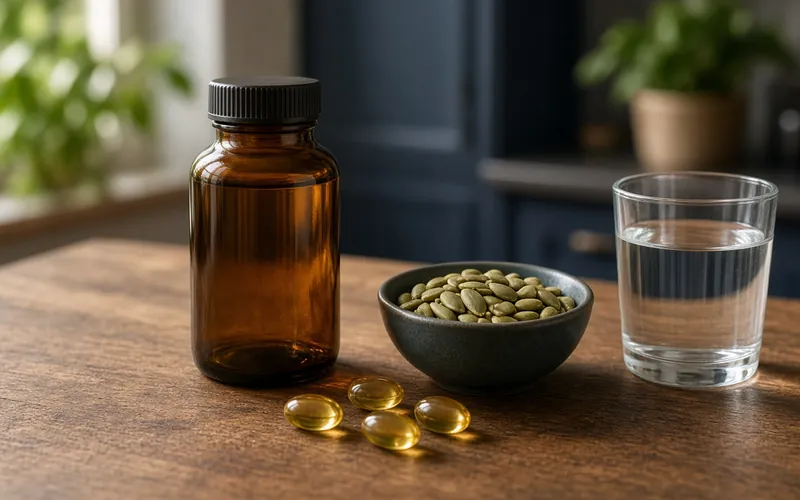
Fish oil is one of the most popular supplements in the United States. Many men take a capsule every morning hoping to protect their heart, brain and joints. But research on omega-3 supplements has produced mixed results, and getting omega-3s from food is still the best-supported approach.
What are omega-3s?
Omega-3s are a family of polyunsaturated fats. The NIH Office of Dietary Supplements describes three main types:
- ALA (alpha-linolenic acid): found in plant foods like flaxseed, chia seeds, walnuts, canola oil and soybeans. Your body can convert small amounts of ALA into EPA and DHA.
- EPA (eicosapentaenoic acid) and DHA (docosahexaenoic acid): found mainly in fish and seafood. These are the forms most studied for heart and brain health.
Omega-3s are part of cell membranes throughout the body and help with heart, blood vessel, lung, immune and hormone function. DHA is especially concentrated in the brain and eyes.
How much do you need?
For ALA, the adequate intake for men is 1.6 grams a day. There is no official recommended amount for EPA and DHA.
The Dietary Guidelines for Americans recommend that adults eat at least 8 ounces of seafood a week, about two servings, which provides roughly 250 mg of EPA and DHA a day on average. Most American men eat less than this.
The best food sources
| Food (3 oz cooked) | EPA + DHA (approximate) |
|---|---|
| Salmon, farmed Atlantic | 1.5-1.8 g |
| Salmon, wild | 1.2-1.6 g |
| Herring | 1.7 g |
| Sardines, canned | 1.2 g |
| Mackerel, Atlantic | 1.0 g |
| Rainbow trout | 0.8-1.0 g |
| Canned light tuna | 0.2 g |
| Shrimp | 0.2 g |
| Cod | 0.2 g |
| Plant food | ALA (approximate) |
|---|---|
| Flaxseed oil (1 tbsp) | 7.3 g |
| Chia seeds (1 oz) | 5.1 g |
| Walnuts (1 oz) | 2.6 g |
| Ground flaxseed (1 tbsp) | 2.4 g |
| Canola oil (1 tbsp) | 1.3 g |
Amounts vary by species, source and preparation.
Mercury and fish
Some large predatory fish, such as king mackerel, shark, swordfish and tilefish, are high in mercury. Choose lower-mercury fish like salmon, sardines, trout, herring, anchovies and canned light tuna more often.
What the evidence shows
Eating fish
Research consistently links eating fish one to two times a week with a lower risk of dying from heart disease. The Harvard T.H. Chan School of Public Health notes that omega-3 fats are a key part of a heart-healthy diet, and that replacing saturated fats with unsaturated fats, including omega-3s, is linked with lower heart risk. Fish also provides protein, vitamin D, B12 and selenium.
Fish oil supplements
The results of large studies of fish oil supplements for preventing heart disease have been mixed. Mayo Clinic notes that there is some evidence that omega-3 supplements may help people with heart disease or high triglycerides, but the benefit for people without heart disease is less clear. The ODS summarizes several large trials:
- In people without heart disease, most trials found that standard-dose fish oil did not significantly reduce the risk of heart attacks or strokes.
- A high-dose prescription form of EPA reduced cardiovascular events in people with heart disease or diabetes and high triglycerides.
- Omega-3 supplements can lower triglycerides.
Brain and memory
DHA is important for brain structure, and diets that include fish are linked with lower rates of cognitive decline. However, trials of omega-3 supplements have generally not shown that they prevent cognitive decline or dementia in healthy older adults. See our guide to memory and focus after 50.
Joints
Some studies suggest omega-3 supplements may modestly reduce joint pain and stiffness in rheumatoid arthritis, but evidence for osteoarthritis is limited.
Eyes
Research on omega-3 supplements for dry eye and age-related macular degeneration has been mixed.
Safety
The ODS and Mayo Clinic note that omega-3 supplements are generally safe at typical doses, but:
- Side effects can include fishy aftertaste, heartburn, nausea and loose stools.
- Bleeding: omega-3s may slightly increase bleeding risk, especially at high doses or with blood thinners like warfarin, apixaban or clopidogrel, or with aspirin.
- Atrial fibrillation: some studies found that omega-3 supplements, particularly at higher doses, were associated with a higher risk of atrial fibrillation, an irregular heart rhythm, in people with heart disease or risk factors.
- Quality varies. The FDA does not approve supplements for safety or effectiveness before they are sold, and the amount of EPA and DHA can differ from the label.
The National Center for Complementary and Integrative Health recommends talking with your health care provider before starting any supplement.
Practical tips
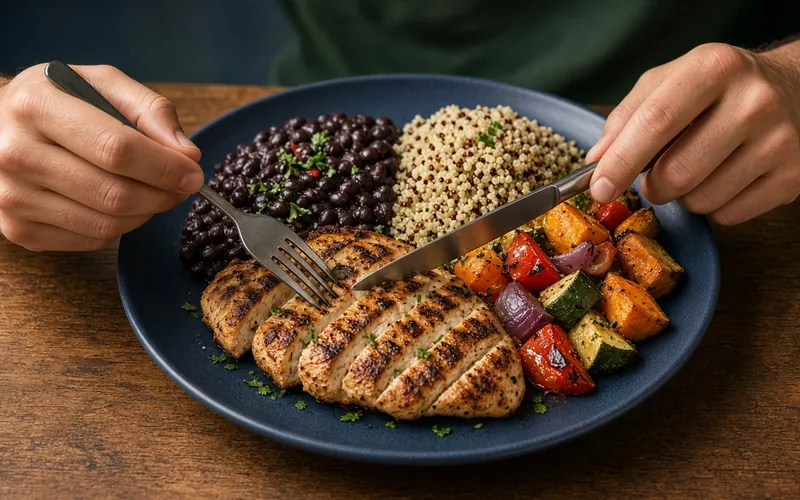
- Eat fish twice a week. Grill, bake or broil rather than fry.
- Keep canned fish on hand: salmon, sardines and tuna are quick, affordable options.
- Add plant omega-3s: sprinkle ground flaxseed or chia on oatmeal or yogurt, snack on walnuts, cook with canola oil.
- If you take a supplement, choose one with third-party testing, check the EPA and DHA content per serving, and tell your doctor. See our guide on how to judge a supplement.
Omega-3s and overall heart health
Omega-3s are one piece of a heart-healthy pattern. The American Heart Association's Life's Essential 8 includes eating better, being active, avoiding tobacco, sleeping well and managing weight, cholesterol, blood sugar and blood pressure. The NHLBI has more on heart-healthy eating. See our guide to heart health for men after 50.
The bottom line
Eating fish about twice a week is one of the best-supported habits for heart health. Fish oil supplements are a more mixed story: they lower triglycerides and may help some people with heart disease, but they are not a shortcut for healthy people and can interact with medicines. Focus on food first and talk to your doctor before starting a supplement.
Frequently asked questions
Should men over 50 take fish oil?
Most healthy men can get omega-3s by eating fish about twice a week. Fish oil supplements may help some people with heart disease or high triglycerides. Talk to your doctor before starting.
What fish is highest in omega-3?
Fatty fish such as salmon, herring, sardines, mackerel and trout are among the richest sources of EPA and DHA.
Can fish oil thin your blood?
Omega-3 supplements may slightly increase bleeding risk, especially at high doses or with blood thinners. Tell your doctor and pharmacist if you take them.
Are plant omega-3s as good as fish?
Plant foods provide ALA, which the body converts to EPA and DHA only in small amounts. Plant sources are still healthy, but fish provides EPA and DHA directly.
Sources
- Omega-3 Fatty Acids: Fact Sheet for Consumers NIH Office of Dietary Supplements
- Omega-3 in fish: How eating fish helps your heart Mayo Clinic
- Types of Fat The Nutrition Source, Harvard T.H. Chan School of Public Health
- Dietary Guidelines for Americans U.S. Department of Agriculture and HHS
- Dietary Supplements U.S. Food and Drug Administration
- Using Dietary Supplements Wisely National Center for Complementary and Integrative Health (NIH)
- Heart-Healthy Living National Heart, Lung, and Blood Institute (NIH)
- Life's Essential 8 American Heart Association