Snoring and Sleep Apnea in Men Over 50: Signs, Risks and What Helps
Loud snoring is often a joke at home, but in many men over 50 it is a sign of sleep apnea, which strains the heart and drains energy. Here is how to tell the difference and what to do.
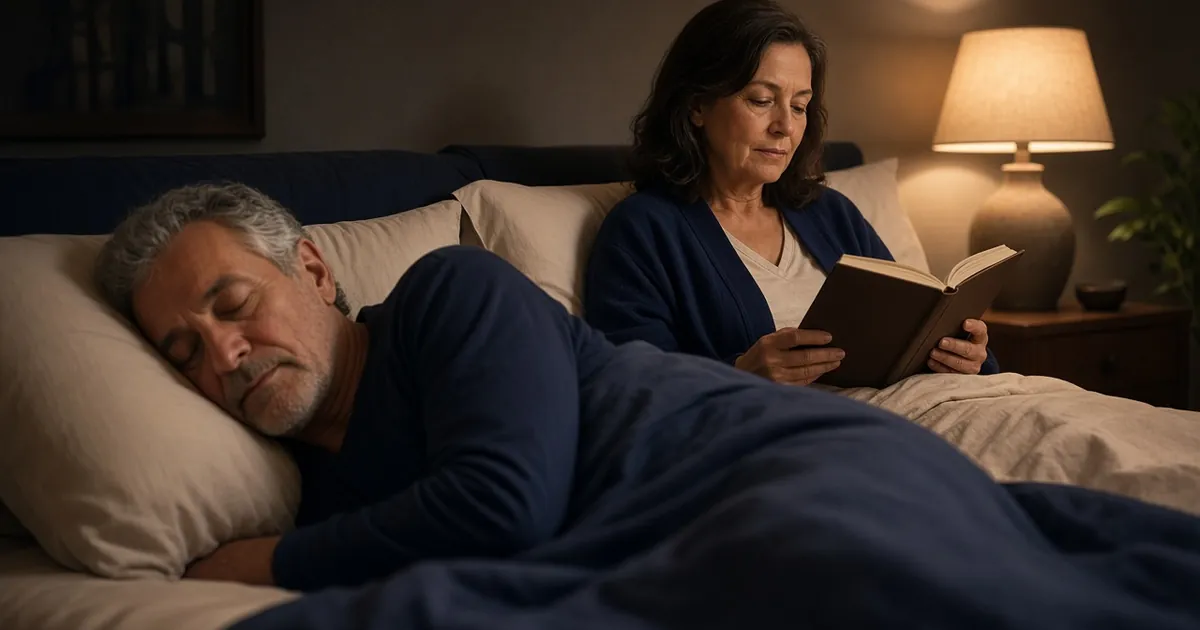
Plenty of men laugh off their snoring. The jokes about the spare room write themselves. But snoring is sometimes more than noise. In many men over 50, loud, regular snoring is a sign of obstructive sleep apnea, a condition that repeatedly interrupts breathing during sleep and affects the heart, blood pressure, mood and energy.
The good news: sleep apnea is very treatable, and treatment often makes men feel dramatically better.
Snoring vs. sleep apnea
Snoring is the sound of air vibrating soft tissues in the throat as it flows past. It becomes more common with age, as throat muscles relax more during sleep, and with weight gain, alcohol and nasal congestion.
In obstructive sleep apnea, the airway does not just vibrate; it narrows so much or closes completely that breathing slows or stops for 10 seconds or longer. The brain senses the drop in oxygen and briefly wakes you, often with a snort or gasp, to reopen the airway. This can happen dozens of times an hour without you remembering it.
The National Heart, Lung, and Blood Institute describes obstructive sleep apnea as a common condition that is often undiagnosed.
Warning signs
Mayo Clinic and the NHLBI list these common signs:
| At night | During the day |
|---|---|
| Loud snoring | Excessive daytime sleepiness |
| Pauses in breathing noticed by a partner | Morning headaches |
| Gasping, choking or snorting awake | Trouble concentrating, memory slips |
| Restless sleep, frequent awakenings | Irritability or low mood |
| Waking to urinate | Dry mouth or sore throat on waking |
| Night sweats | Dozing off while reading, watching TV or driving |
If your partner has ever watched you stop breathing at night, take it seriously.
Who is at higher risk?
- Men, and risk rises with age.
- Excess weight, especially around the neck and belly.
- A thick neck, often 17 inches or more for men.
- Alcohol and sedatives, which relax throat muscles. The National Institute on Aging notes alcohol affects older adults more strongly.
- Smoking.
- Nasal congestion or a narrow airway.
- High blood pressure, type 2 diabetes or heart disease.
- Family history.
Why apnea matters
Each pause in breathing lowers oxygen levels and triggers a surge of stress hormones. Over months and years, this strain is linked with:
- High blood pressure. The CDC lists high blood pressure as a leading risk factor for heart disease and stroke.
- Heart rhythm problems such as atrial fibrillation, heart failure and stroke.
- Type 2 diabetes and weight gain.
- Daytime sleepiness, which raises the risk of car and work accidents.
- Mood and memory problems.
- Night-time urination, because the heart releases a hormone that increases urine. Our guide to night-time urination explains.
The CDC and National Institute on Aging both note that good-quality sleep is essential for health at every age.
How sleep apnea is diagnosed
Your doctor will ask about your sleep, snoring and daytime sleepiness, and may examine your neck, nose and throat. The key test is a sleep study:
- Home sleep apnea test: you wear a small device overnight at home that tracks breathing, oxygen levels and heart rate. Convenient and often the first step.
- In-lab sleep study (polysomnography): you sleep overnight in a sleep center with sensors that track brain waves, breathing, oxygen, heart rate and movement. More detailed.
The results show how many breathing pauses and slowdowns you have per hour, which determines how severe your apnea is.
Treatment options
CPAP
Continuous positive airway pressure (CPAP) is the most common and effective treatment. A small machine blows gentle air through a mask to keep your airway open. Many men find it takes a few weeks to get used to. Modern machines are quiet, and there are many mask styles. Work with your provider to get a good fit; persistence pays off.
Oral appliances
A dentist can fit a custom mouthpiece that moves your lower jaw forward to keep the airway open. These can work well for mild to moderate apnea or for people who cannot tolerate CPAP.
Lifestyle changes
- Lose excess weight. Even modest weight loss can reduce apnea severity.
- Limit alcohol, especially in the evening.
- Avoid sleeping pills and sedatives unless your doctor approves.
- Sleep on your side. Some men snore and stop breathing mostly on their back.
- Treat nasal congestion.
- Stop smoking.
Other treatments
For some people, surgery on the nose or throat, or an implanted device that stimulates a nerve controlling the tongue, is an option. A sleep specialist can explain which might suit you.
What about simple snoring?
If a sleep study shows you do not have apnea, snoring may still disturb your partner. Side sleeping, weight loss, less evening alcohol, treating allergies and nasal strips help many men. MedlinePlus has more on sleep disorders.
Living well with CPAP
Men who stick with CPAP often say they had forgotten what real rest felt like. A few tips help most people adjust:
- Wear it for short periods while awake at first, for example while reading or watching TV, to get used to the feel.
- Try different masks. Nasal pillows, nasal masks and full-face masks all suit different faces and breathing styles.
- Use the humidifier if your nose or mouth feels dry.
- Use the ramp feature, which starts at a low pressure and builds gradually as you fall asleep.
- Clean the mask and tubing as instructed to prevent irritation.
- Use it every night, all night, including naps. The benefits depend on regular use.
- Report problems early. Leaks, discomfort or bloating can usually be fixed with a mask change or pressure adjustment.
Many modern machines track your nightly use and how many breathing events still occur, so you and your provider can see how well treatment is working.
The bottom line
Loud snoring after 50 deserves attention, especially with pauses in breathing, gasping or daytime sleepiness. Sleep apnea is common in men, strains the heart and steals energy, but it is easy to test for and very treatable. If anything here sounds familiar, ask your doctor about a sleep study.
Frequently asked questions
Is all snoring sleep apnea?
No. Many people snore without having apnea. But loud snoring with pauses in breathing, gasping, or daytime sleepiness is a strong reason to get tested.
Can sleep apnea go away?
Losing weight, avoiding alcohol and changing sleep position can reduce or occasionally resolve mild apnea. Most people with moderate or severe apnea need ongoing treatment such as CPAP.
Is CPAP uncomfortable?
It can take a few weeks to adjust. Trying different masks, using a humidifier and working with your provider on pressure settings help most people get comfortable.
Can sleep apnea cause frequent urination at night?
Yes. The strain of repeated breathing pauses triggers a hormone that increases urine production. Treating apnea often reduces night-time bathroom trips.
Sources
- Sleep Apnea National Heart, Lung, and Blood Institute (NIH)
- Obstructive sleep apnea: Symptoms and causes Mayo Clinic
- Sleep Disorders MedlinePlus (National Library of Medicine)
- About Sleep Centers for Disease Control and Prevention
- Sleep and Older Adults National Institute on Aging (NIH)
- Facts About Aging and Alcohol National Institute on Aging (NIH)
- About High Blood Pressure Centers for Disease Control and Prevention